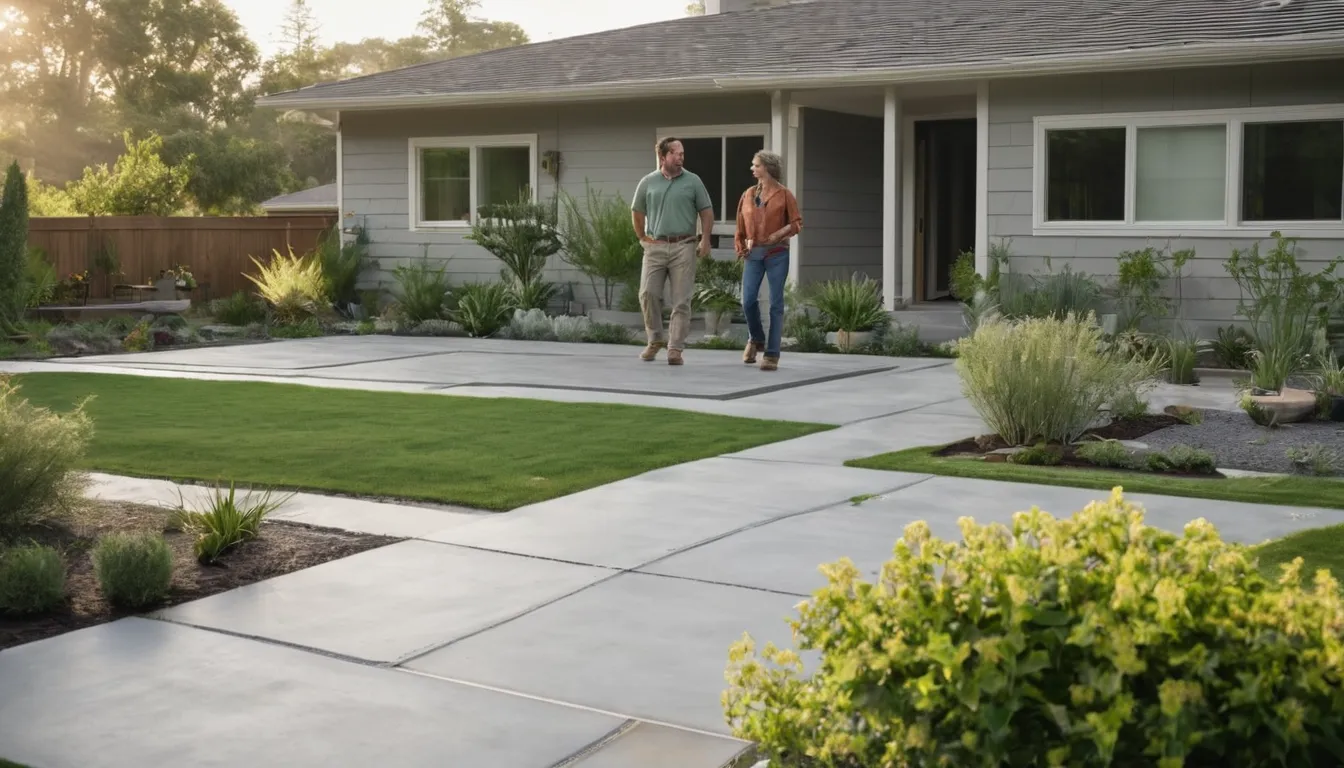
A new concrete patio gives your family a flat, tidy place to sit, cook and gather. In Euclid and the Euclid area, a good patio has to handle cold winters, hot humid summers and heavy rain. That starts with the right base, the right slope and the right finish.
Cleverzk Concrete is a referral service. We do not pour concrete. We connect you with independent providers in our network who do. We also share simple tips on sealing, drainage and winter care, so your slab stays in good shape. Tell us about your yard, and a local provider can reach out with an estimate.
Thinking About a New Patio?
Maybe the back step leads to bare grass. Maybe an old slab has given up. Either way, a new concrete patio is a big upgrade for a yard. It is worth planning well before anyone mixes a batch.
This page walks you through the choices, from first idea to first cookout. A provider in our network does the actual work. Cleverzk Concrete just makes the introduction.
Start With How You Will Use It
Think about daily life first. Will you dine out there, or just set two chairs by the garden? Will a grill sit on it? Will kids ride bikes across it?
Your answers shape the size, the thickness and the finish. Write them down before you talk to anyone.
Why Homeowners Choose Concrete
Concrete is sturdy and flexible in style. It handles furniture, grills and busy feet. It can be plain, colored or stamped to look like stone or brick.
Many homeowners also like how little daily work it needs. With a little sealing and some winter care, a slab can serve a family for many years.
What a New Patio Project Usually Includes
Every job is different. Still, most concrete flatwork projects follow a similar path:
- Marking out the shape and checking the slope
- Removing grass, soil or an old slab
- Building a compacted gravel base
- Setting forms and, often, steel mesh or rebar
- Pouring, leveling and finishing the concrete
- Cutting joints so cracks have a planned place to go
- Curing time before use and sealing
Ask each provider to list these steps in the written estimate.
Sizing Your Patio
People often draw a patio too small. A table with chairs pulled out needs more room than you think. A good rule is to leave about three feet around furniture for walking.
Try this: lay out garden hoses or chalk lines on the lawn. Set your chairs inside them. Walk around for a day. Then adjust.
Finish Options
The surface is what you see and feel every day. Here are the common choices.
Broom Finish
A light brushed texture is simple and grippy when wet. It is a common pick for shaded or rainy spots.
Stamped Concrete Patios
Stamped concrete patios use patterns pressed into fresh concrete. The look can mimic slate, flagstone or brick. It takes skilled hands and good timing, so ask to see finished stamped work from your provider.
Color and Texture
Color can be mixed through the slab or added to the surface. Soft earth tones often blend well with frame houses, bungalows and ranch homes.
Drainage Comes First
A pretty patio that holds water is a problem. Spring flooding and summer storms can leave puddles that soak into the ground and stress the slab.
A patio should slope gently away from the house. Ask your provider how they plan to move water. Gutters, downspouts and the yard grade all matter.
A Note on Your Foundation
Many homes here have full basements with sump pumps. Water that pools near the walls can add load to that system. If you already see wet spots or wall cracks, talk with foundation repair experts before you pour next to the house.
Made for Frost
Deep frost pushes on soil. A weak base can shift or heave in winter. A deep, well-packed gravel layer helps a lot.
Ask providers how they prepare the ground for cold climates. Air-entrained concrete is also a common choice where winters are hard. Ask about it.
Choosing a Local Provider
You want someone who explains the plan clearly. Get at least two written estimates. Compare the details, not just the total.
Questions Worth Asking
- Are you licensed and insured where required?
- What base depth and concrete thickness do you plan?
- How will you handle drainage and control joints?
- When can we use the patio after the pour?
Check licensing yourself with local offices. Cleverzk Concrete does not verify credentials.
Photos and Notes
Take pictures of the yard before work starts. Photograph the area from several angles. Keep your written estimate, any change notes and receipts in one folder.
These records make later conversations easier. That includes any talk with your insurer. Some policies may cover sudden damage, so check your policy. Providers can often help document damage for a claim.
Caring for Your New Patio
Protect the pour. A little care in the first year pays off for years.
Sealing
A sealer helps block water and stains. Ask your provider when to apply the first coat. Plan to reseal every few years, or as your provider suggests.
Winter Habits
Shovel gently with a plastic blade. Avoid harsh de-icers, especially in the first winter. Sand gives traction without the harm.
Small Cracks
Hairline cracks can happen. Watch them. If one widens or the slab sinks, take dated photos and ask a provider to look.
Ready to Plan Yours?
Request a callback to check provider availability, or send the request form. Share your yard size, your finish ideas and your timeline. A local provider can then follow up with an estimate, with no obligation.
What's Included
Site Preparation
Providers clear the area, mark the shape and check the slope so water moves away from your home.
Base and Forms
A packed gravel base and sturdy forms give the slab steady support through frost and heavy rain.
Pour and Finish
Concrete is poured, leveled and finished in the texture you pick, from broom to stamped.
Joints and Curing
Control joints guide cracks, and proper curing time helps the new slab gain strength.
Typical Concrete Patio Costs in the U.S.
Prices vary by region, site access, slab thickness and finish. These are common U.S. ranges only. Ask each provider for a written quote that lists materials, labor and any extras.
| Item | Typical range | Notes |
|---|---|---|
| Plain broom-finish patio | $6 – $12 per sq ft | Most common and simple option |
| Stamped concrete patio | $12 – $25 per sq ft | Pattern and color raise the price |
| Colored or exposed aggregate | $8 – $18 per sq ft | Depends on mix and method |
| Old slab removal | $2 – $6 per sq ft | Varies with thickness and disposal |
| Grading and drainage work | $500 – $3,000 | Depends on yard slope and access |
| Sealing | $1 – $3 per sq ft | Often repeated every few years |
How It Works
Share Your Plans
Tell us about your yard, the patio size you have in mind and the finish you like.
Meet a Provider
A local provider contacts you to talk through the project and often visits the site.
Compare Written Estimates
Review the scope, base depth, drainage plan and total. Keep your photos and notes handy.
Pour and Protect
Your chosen provider completes the work. Then follow curing and sealing advice to protect it.
Why Call Cleverzk Concrete
Independent Local Providers
Providers in our network are separate local businesses that handle the pouring and finishing themselves.
Simple Process
Share a few details about your yard and a provider can reach out with an estimate.
Care Tips
We share plain habits for sealing, drainage and winter care so your new slab holds up well.
No Obligation
Asking for an estimate does not commit you to hire anyone. Compare and decide at your pace.
Other Services
Need concrete patios in Euclid?
Tell us about your driveway or patio plans. Send a few photos and notes, or ask for a callback, and a local provider in our network can follow up.
No obligationConcrete Patios FAQ
How long does a new concrete patio take to install?
Many patios take a few days of active work, including prep, forming, pouring and finishing. Weather and size matter. Curing takes longer, and your provider will say when you can use it.
How thick should a concrete patio be?
Many residential patios are poured about four inches thick over a compacted gravel base. Heavier loads or soft soil may call for more. Ask your provider to explain their plan.
When can I put furniture on a new patio?
Light foot traffic is often fine after a day or two. Furniture and grills usually wait about a week. Follow your provider's advice, since weather and mix can change the timing.
Get in touch
Tell us about your driveway or patio plans. Send a few photos and notes, or ask for a callback, and a local provider in our network can follow up.
No obligation